


Most freight teams don’t lose deals because of pricing.
They lose because they are late.
RFQs come in.
Emails pile up.
Someone notices after 30 minutes.
Then the internal back and forth starts.
By the time the quote is ready,
the customer has already moved on.
Now here’s the thing.
Top freight teams don’t do anything magical.
They just remove delay.
Let’s break it down.
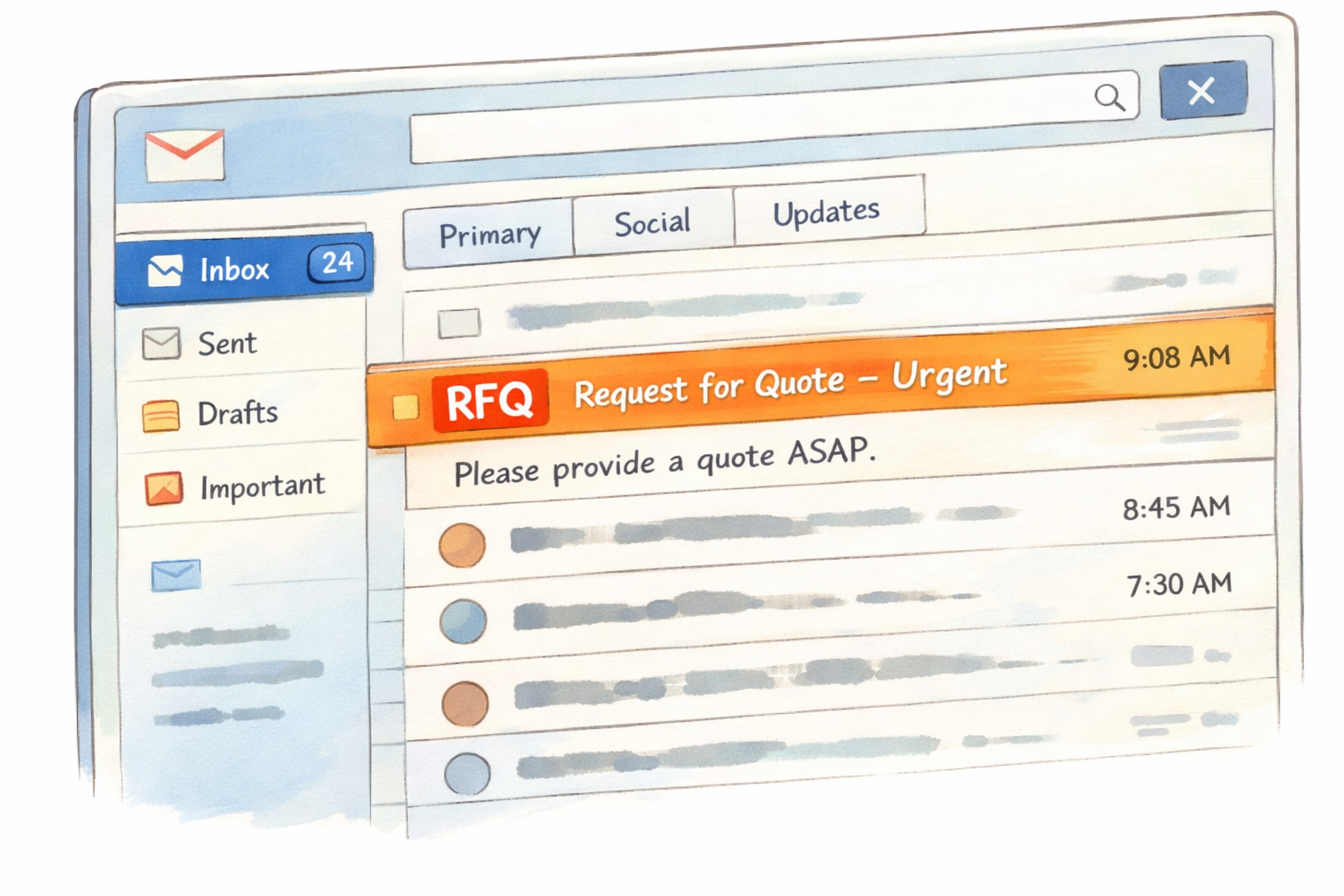
1. They see RFQs instantly
In most teams, RFQs sit in the inbox.
No tag. No priority. No visibility.
Someone has to notice it.
That’s the first delay.
Top teams don’t rely on noticing.
They use:
• Auto labels
• Priority tags
• Clear folders
The moment an RFQ comes in,
it stands out.
No searching. No guessing.
2. They assign ownership fast
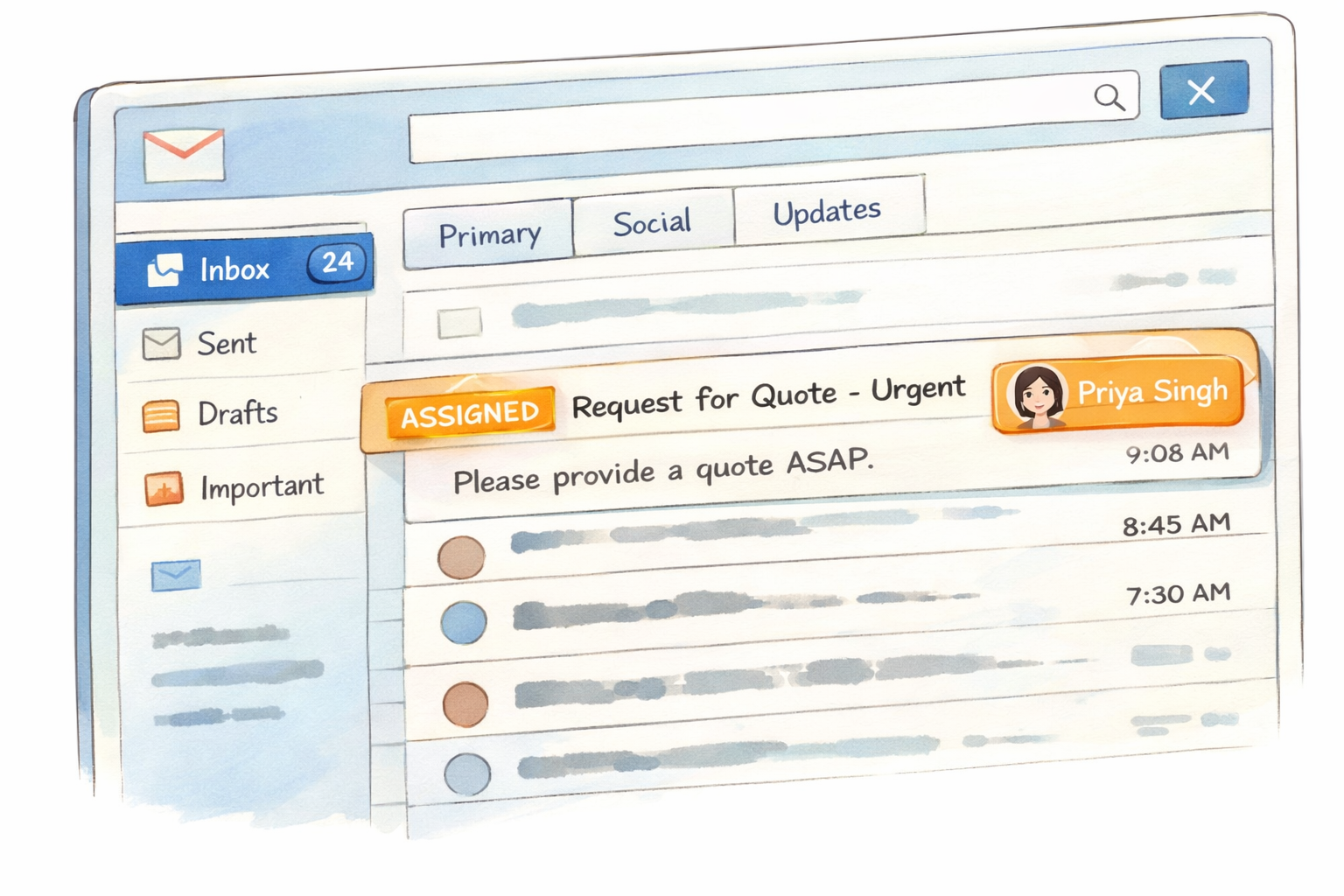
In many teams, one question slows everything:
“Who is handling this?”
People ask in WhatsApp.
They forward emails.
They wait.
That alone can take 10 to 20 minutes.
Top teams don’t ask.
They assign instantly.
One RFQ = one owner.
Clear responsibility. No confusion.
3. They don’t rewrite emails
This is where most time is wasted.
Typing the same quote again and again.
Changing small details.
Formatting.
Checking.
Top teams don’t do this.
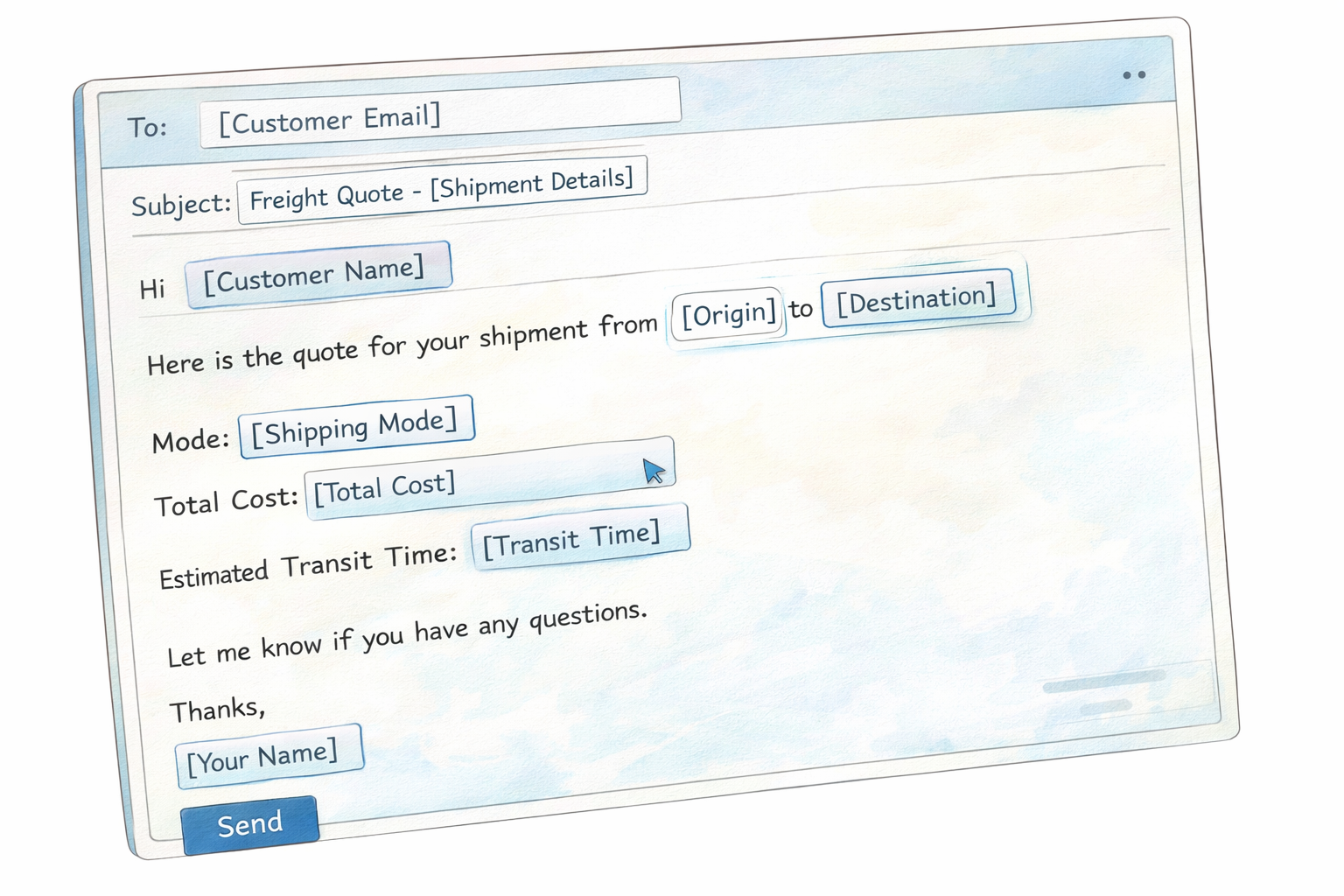
They use:
• Ready templates
• Pre-written structures
• Quick edit fields
So instead of writing from scratch,
they just fill and send.
4. They don’t hunt for rates
Another big delay.
People switch tabs.
Check past emails.
Ask internally.
Minutes go by.
Top teams reduce this.
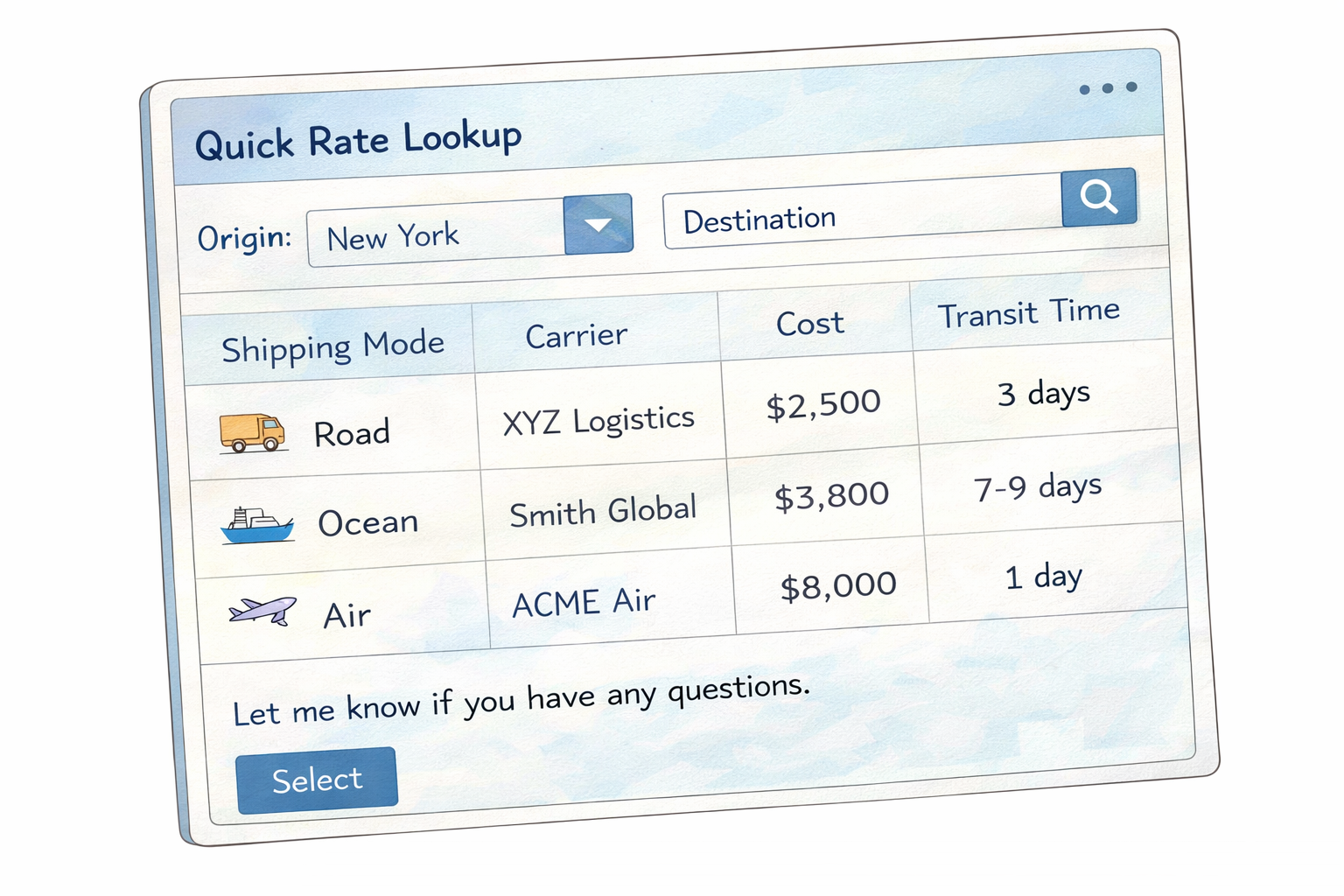
They keep rate access simple.
• Recent quotes are easy to find
• Common routes are ready
• Internal info is organized
Less searching. More sending.
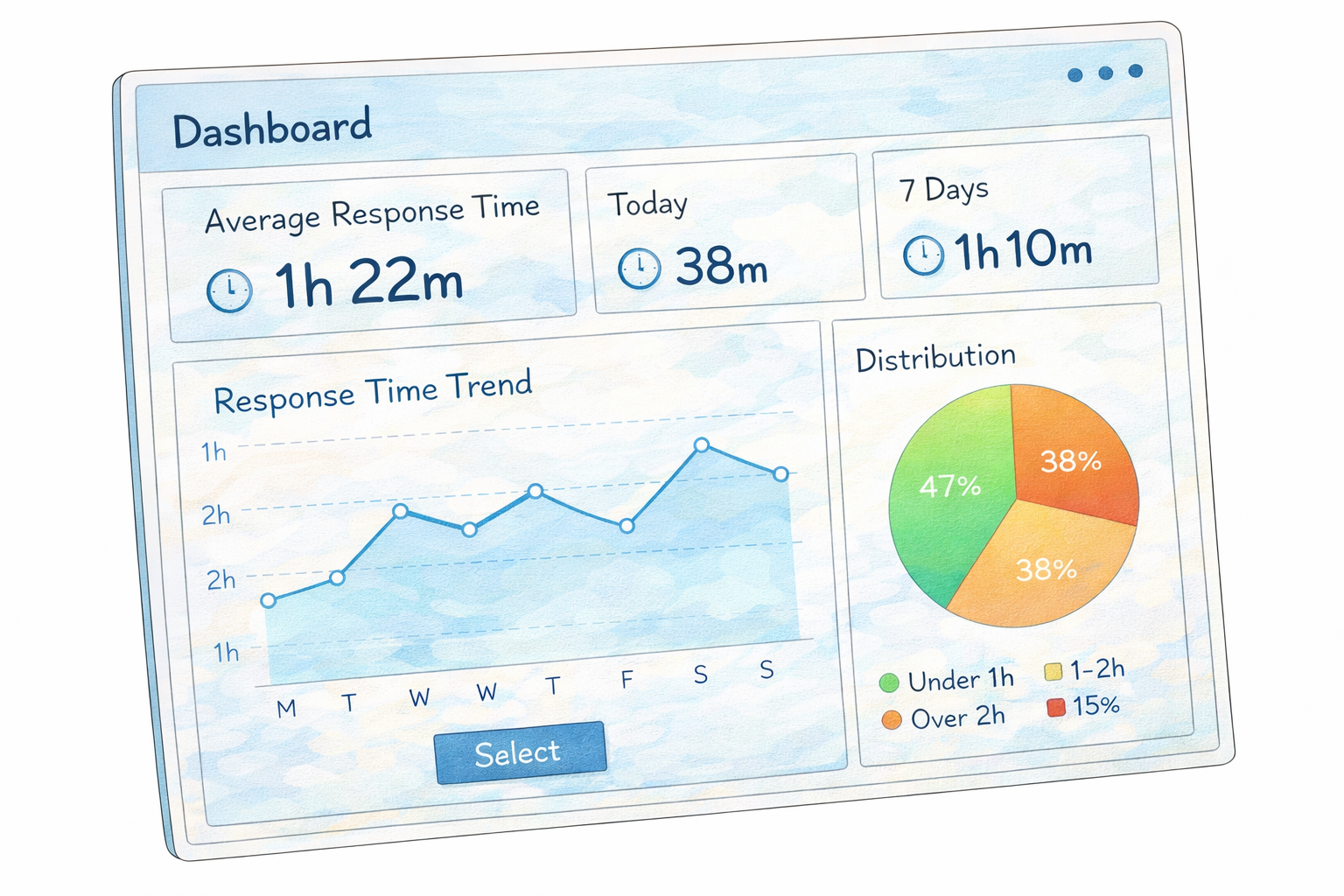
5. They track every RFQ
Most teams don’t track.
So they don’t improve.
Top teams track:
• Response time
• Win vs loss
• Delays
This helps them fix problems fast.
If something slows them down,
they see it immediately.
The real difference
It’s not about working faster.
It’s about removing friction.
No searching
No confusion
No rewriting
No waiting
That’s how 15 minutes becomes normal.
Final thought
If your team takes hours to respond,
don’t blame the team.
Look at the system.
Fix the workflow.
Speed will follow.
And when speed improves,
win rates improve.
