
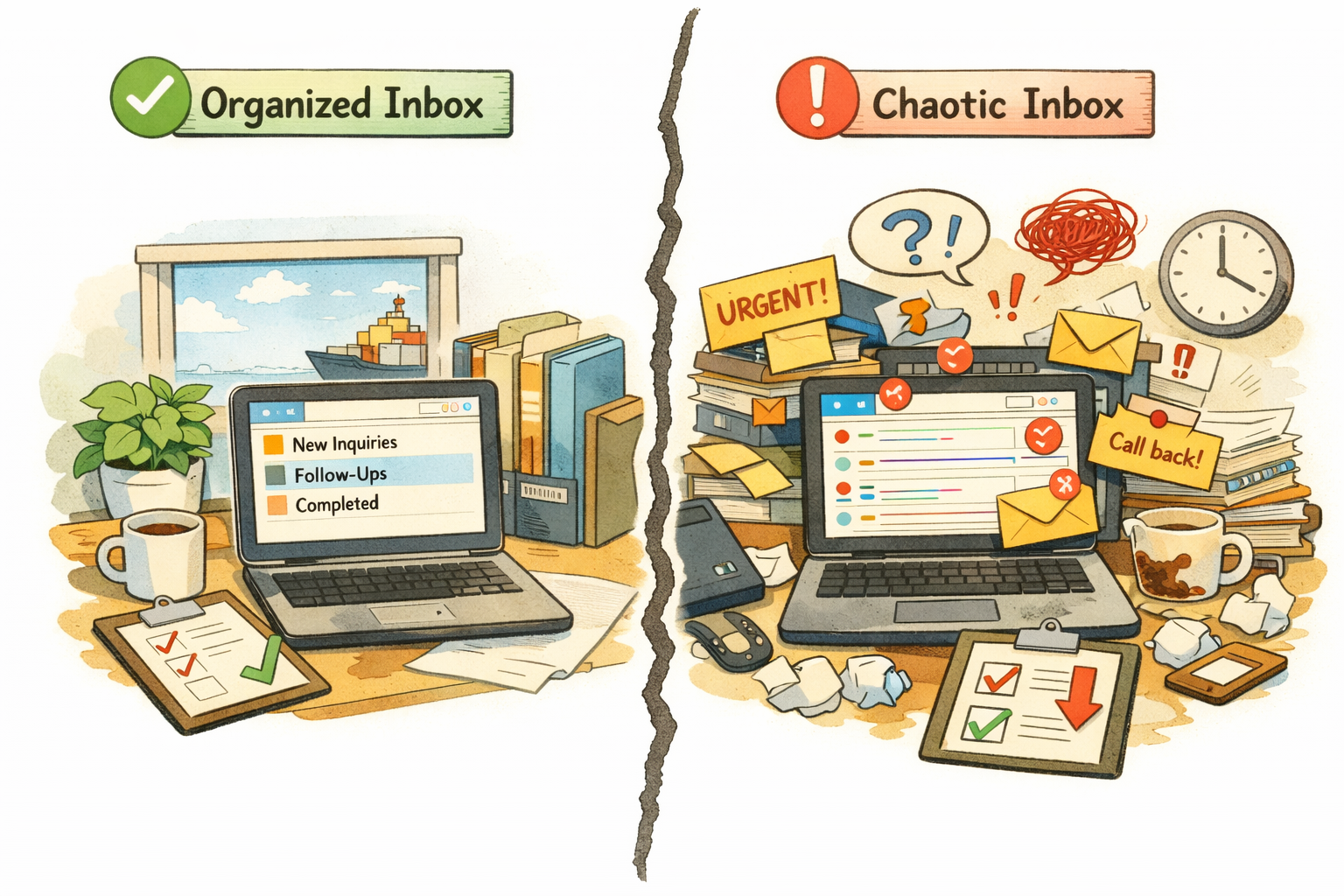


In freight forwarding, losses rarely look dramatic.
There’s no rejection email.
No message saying you lost the shipment.
The conversation simply… stops.
Most teams assume the reason was pricing.
But after observing how freight companies actually handle inquiries, a different pattern appears.
Many deals are decided long before pricing discussions even begin.
They are decided by response time.
The hidden race every forwarder is in
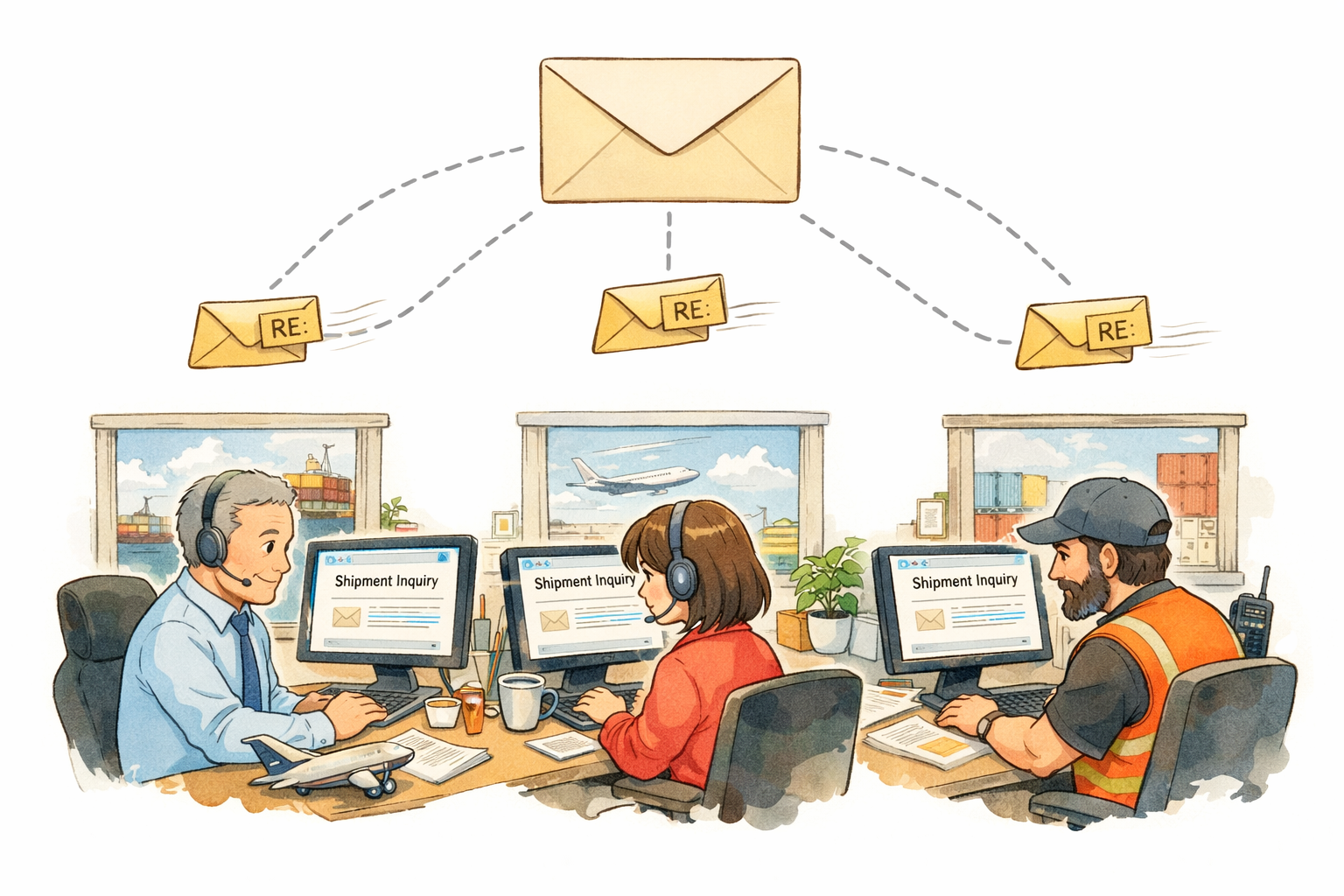
When a shipper sends an inquiry, they rarely contact just one forwarder.
They send the same email to multiple companies.
From that moment, an invisible race starts.
The first response:
- Sets expectations
- Builds trust
- Establishes momentum
Even if pricing comes later, responsiveness signals reliability.
And reliability is what shippers buy.
Why delays happen (even in good teams)
Freight teams are not slow because they lack discipline.
They are slow because email was never built for operational workflows.
A single shipment conversation can involve:
- Sales
- Operations
- Documentation
- Customer support
- Overseas agents
Inside a traditional inbox, this creates friction:
- Multiple people opening the same email
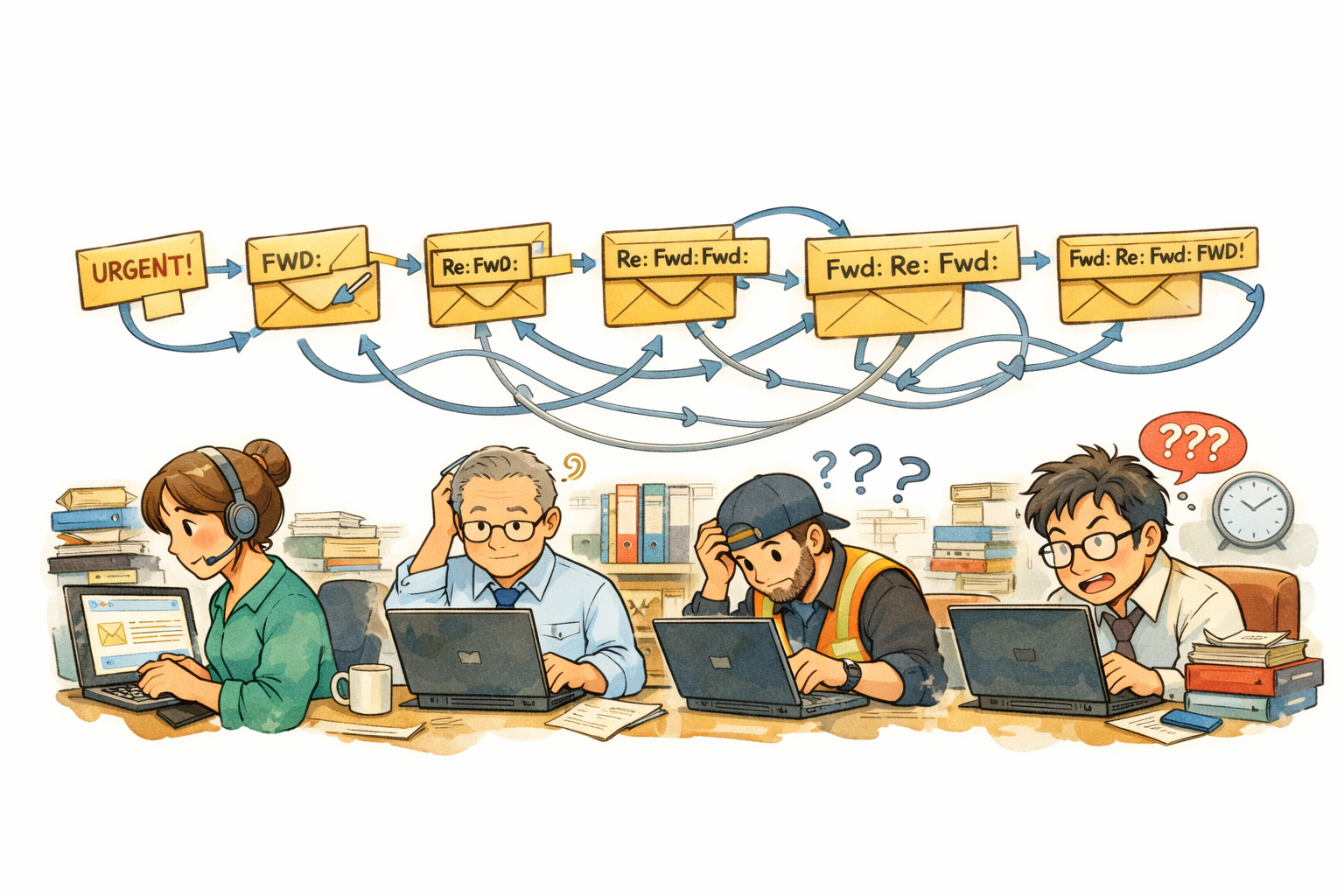
- Internal forwarding chains
- Unclear ownership
- Missed follow-ups
- Rechecking old threads
Each small pause adds minutes.
Minutes become lost momentum.
The psychology customers never explain
Customers rarely say:
“We chose another forwarder because they replied faster.”
Instead they say:
- “We already confirmed.”
- “Shipment handled.”
- “Maybe next time.”
But speed creates confidence.
A quick, structured reply suggests:
- organized operations
- availability
- reliability under pressure
Even when that assumption isn’t fully accurate.
The real cost of inbox friction
Most freight companies track:
- revenue
- shipment volume
- conversion rates
Few track response latency.
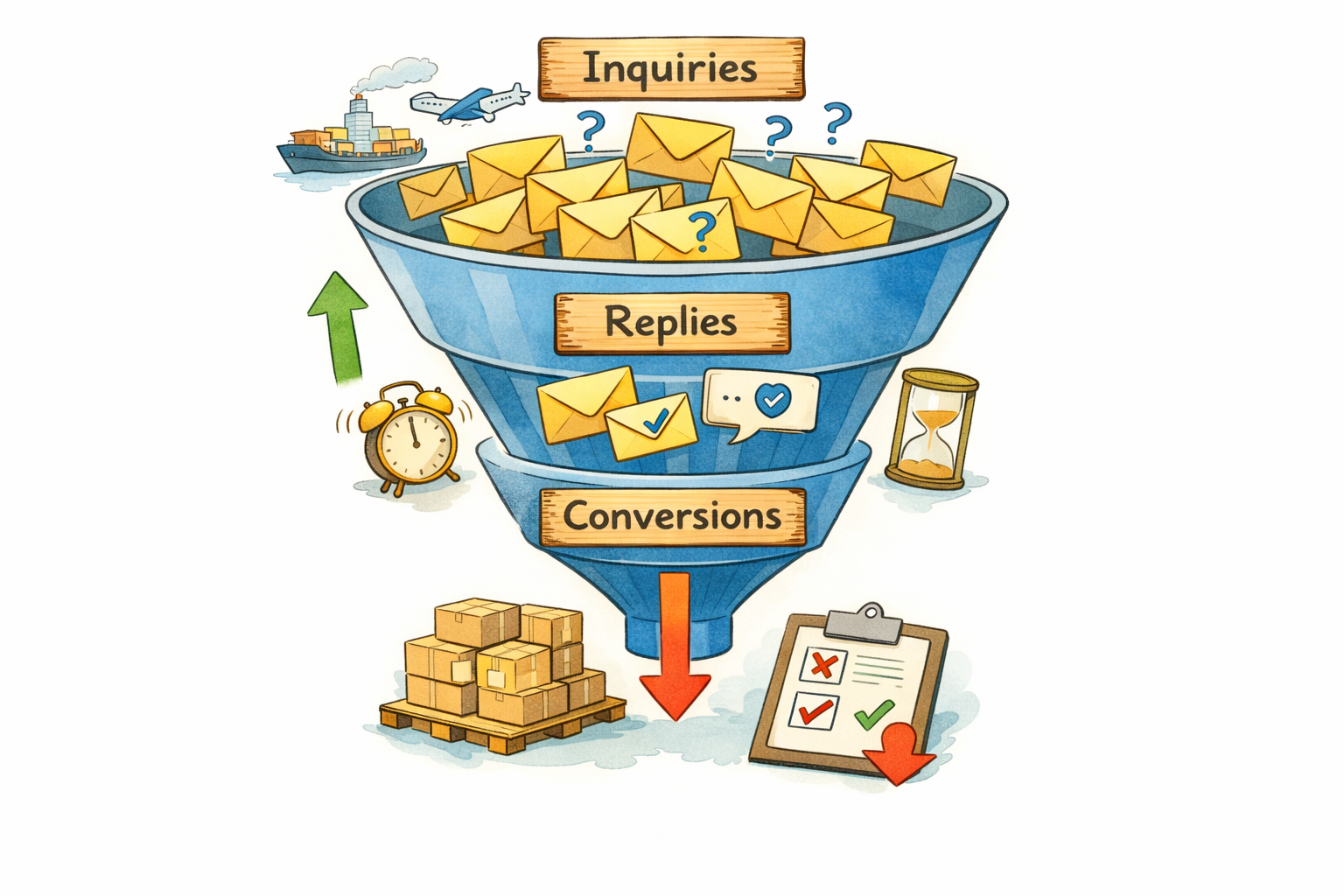
Yet response delay directly impacts:
- inquiry conversion
- customer perception
- repeat business probability
The loss is invisible because it never enters reporting systems.
What high-performing freight Teams do differently
The best-performing teams don’t just work harder.
They remove decision friction.
They ensure:
- every email has clear ownership
- important conversations never disappear
- follow-ups happen automatically
- teams collaborate without forwarding chains
Their inbox behaves less like personal email — and more like an operational dashboard.
The shift happening in freight operations
Freight forwarding is slowly moving toward structured communication systems.
Not because of technology trends.
Because email volume has crossed human management limits.
When teams handle hundreds of shipment conversations daily, organization becomes a competitive advantage.
The companies that respond faster appear more reliable — and reliability wins freight.
Final thought
The next shipment you lose may not be lost on price.
It may be lost in the minutes between opening an email and deciding who should reply.
And most teams never realize it happened.
